Amphibian Survival Alliance

Saving Earth's Most Vulnerable Species Before They Vanish

89 organizations. 50+ countries. One mission.

Two out of every five amphibian species face extinction. We exist to change those odds.

Scroll
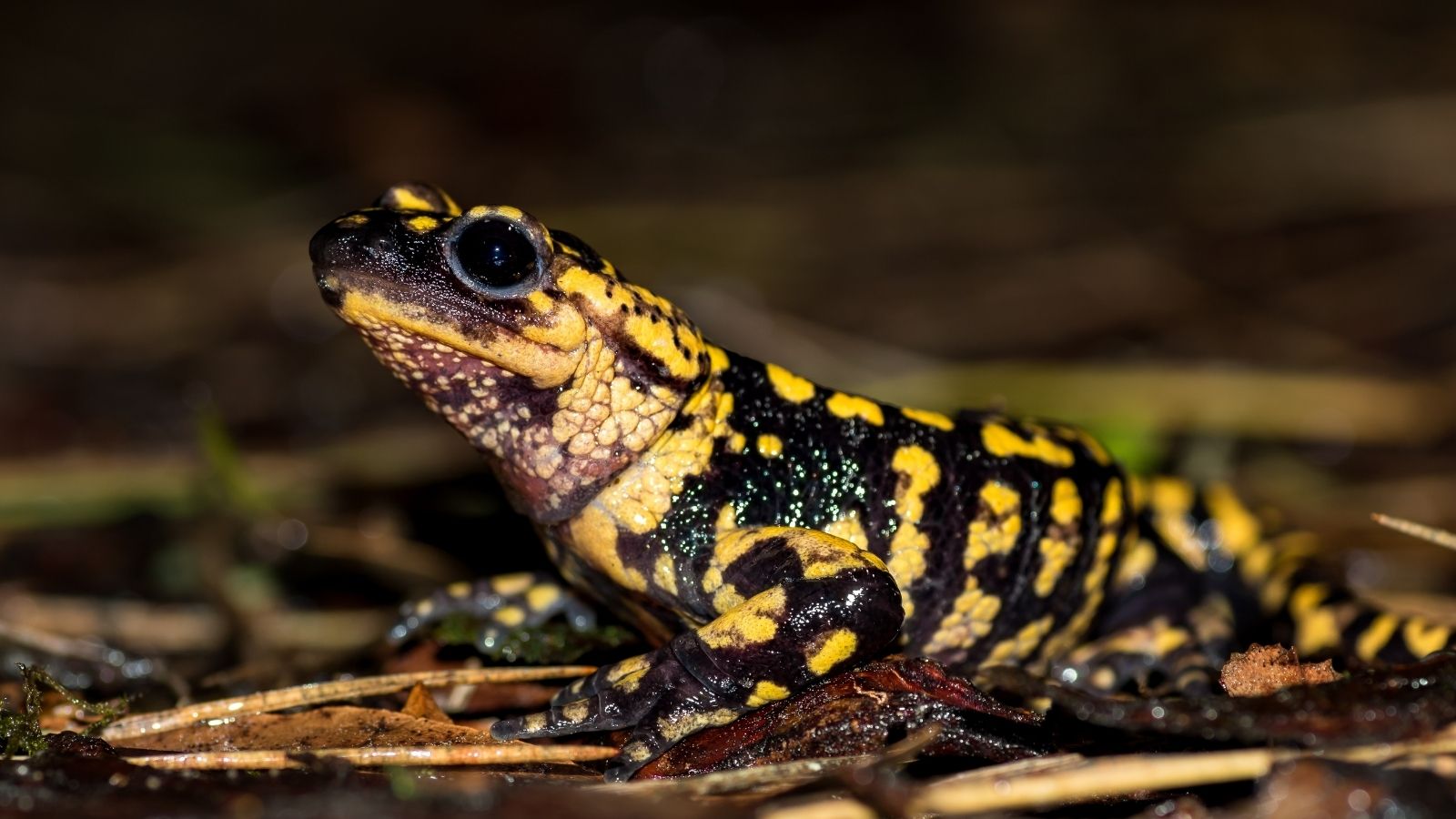
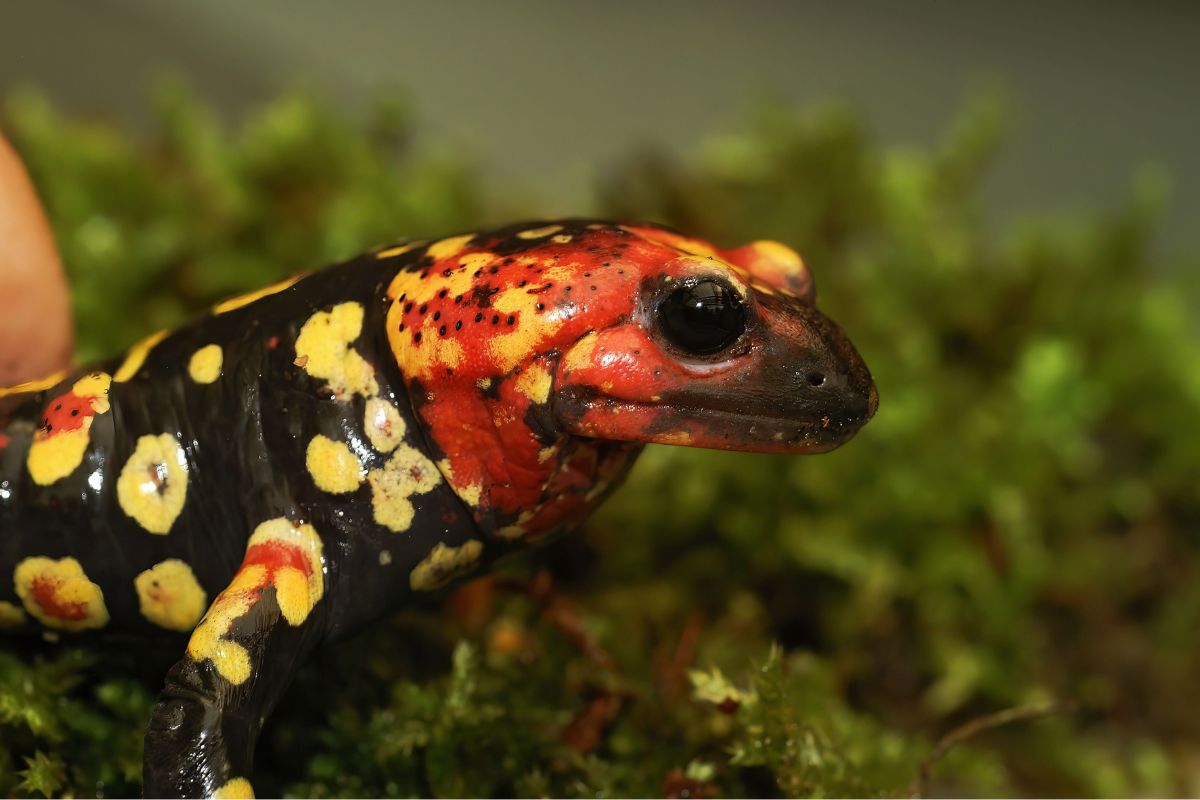
Amphibian in its natural habitat

A World at Risk

Amphibians have survived for over 300 million years. They outlasted the dinosaurs. Now, they're disappearing faster than we can count them.

0%
of known species threatened with extinction
0×
greater than the background extinction rate
0
species potentially already lost
0%
of salamander species at risk

Amphibians face a complex array of threats requiring coordinated, global action.

0% of threatened species affected by habitat loss, the most pervasive threat
0% threatened by climate change, a number likely to increase
0% impacted by disease, with chytridiomycosis causing devastating declines

Scientists describe roughly 150 new amphibian species every year. We're losing them faster than we can find them. This is the fastest decline of a vertebrate class in Earth's history. It's also the most preventable.

Hope Through Action

Sixty-three species have been pulled back from the edge since 1980—by conservationists, researchers, and communities around the world. Not by chance. By coordinated, sustained action.

That's the proof. Conservation works.

The Amphibian Survival Alliance exists to accelerate that progress. We connect the researchers, the zoos, the field teams, the policymakers. We turn isolated efforts into coordinated action.

Conservation success

2025 Results

275 species, 106 genera

now covered by partner conservation programs aligned with ACAP priorities

89 partners in 50+ countries

spanning all major biogeographic regions

43 Future Leaders

early-career professionals supported across five continents

98.9% approval

for IUCN Motion 075 on amphibian conservation at WCC 2025

$500,000

secured from Bezos Earth Fund for the Tropical Amphibian Resilience Initiative

97.1% progress

on our Strategic Plan, the highest rate since ASA's founding

The goal isn't just stopping the decline. It's recovery. Populations restored. Habitats protected. Species thriving where they've gone silent.

Conservation in Action

This is what the work looks like. Real programs. Measurable outcomes. Species on the path to recovery.

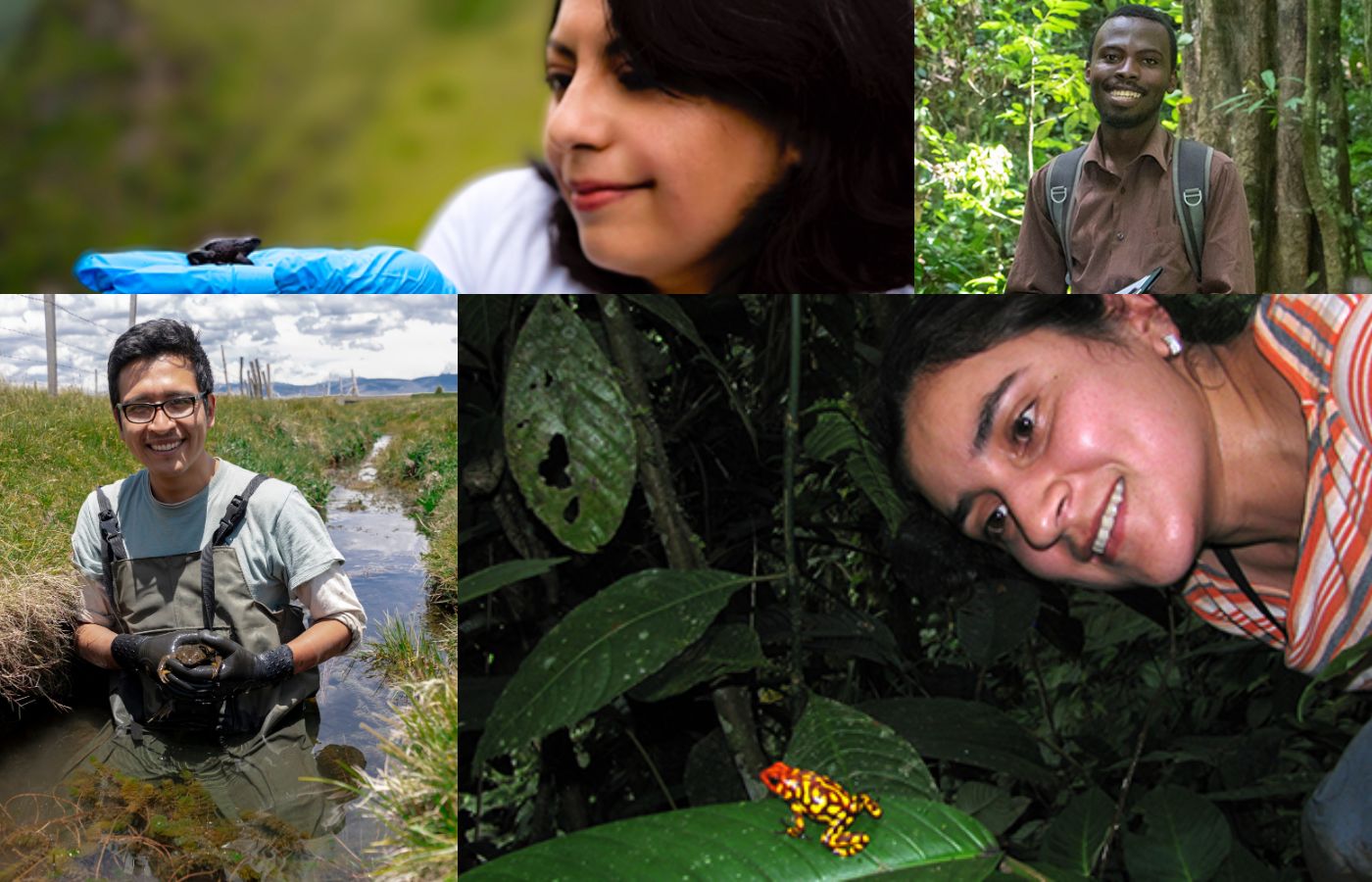
Conservation teams in the field

Tropical Amphibian Resilience Initiative

Year One Results — In partnership with the Smithsonian and teams in Panama, Colombia, Ecuador, and Venezuela

0
species in reintroduction trials
0
individuals released or translocated
0
disease mitigation techniques tested
0
species in regional biobanks
0K+
people reached through education

Species in Focus

Atelopus cruciger

This is what recovery looks like. The Venezuelan Harlequin Frog was functionally extinct in the wild—surviving only in captivity while chytrid devastated its habitat. Five months after TARI's first releases, researchers observed wild breeding pairs for the first time in over a decade. Not holding the line. Reversing the decline.

TARAP

First funding round supported projects in Ecuador, Benin, and Nepal—delivering field interventions, strengthening national datasets, and empowering community-led conservation.

Future Leaders Program

43 early-career professionals supported across five continents. Conservation Planning Workshops held in Chile and Colombia. Launch of Horizons, amplifying emerging voices.

Global Knowledge Exchange

Co-organized symposium on amphibian biobanking at the 10th World Congress of Herpetology. Co-led three global forums at the 2025 IUCN World Conservation Congress.

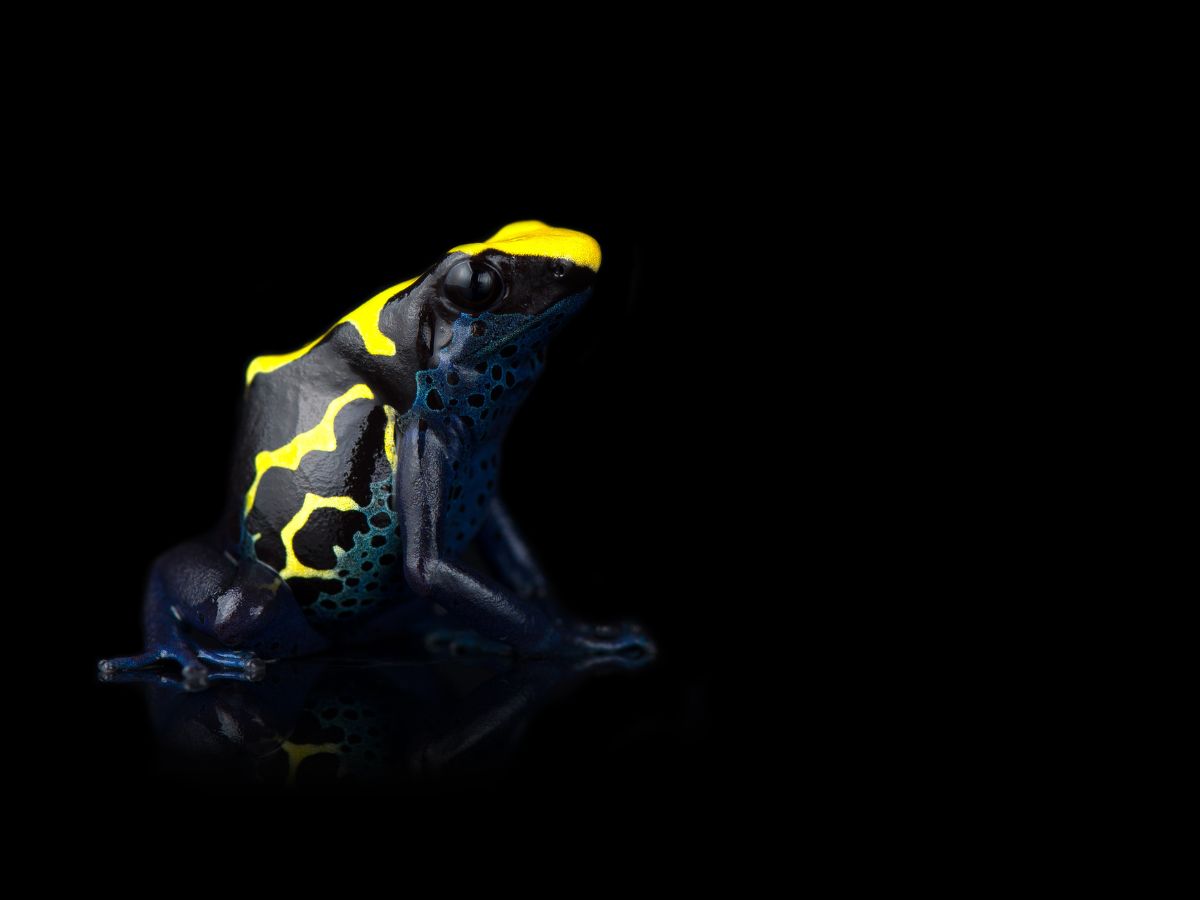
Poison dart frog

The Multiplier Effect

89 partner organizations. 25% growth in the past year. This is a network that's expanding because it delivers results.

Our partners span NGOs, universities, community organizations, government agencies, and zoos across every major region. This diversity is the engine. Research informs fieldwork. Fieldwork shapes policy. Policy protects habitat. It's all connected.

When specialized expertise is needed, the network responds. When a region faces an emerging threat, knowledge transfers fast. Local solutions become global strategies.
When you invest in ASA, you're not funding one project. You're powering a system built to multiply impact.

Your Support Matters

Why Amphibians

Every ecosystem amphibians inhabit depends on them. They control insects. They move nutrients through wetlands and forests. Their biochemistry has already led to medical breakthroughs, with more still locked in species we haven't fully studied.

Lose the amphibians, and the systems they hold together start to fray.

Why ASA

ASA is built for accountability. In 2025, we achieved 97.1% progress on our Strategic Plan. We released 4,451 individuals through TARI. Our partnership grew 25%. Our IUCN motion passed with 98.9% support.

We don't just report results. We deliver them.

Every dollar tracked. Every outcome measured.

Investment Opportunities

$10,000
Launch Solutions

Fund a portion of a Future Leaders internship. Contribute to operational costs. Support educational programs reaching thousands.

$20,000
Strengthen Impact

Fully fund a Future Leaders position for one year. Provide emergency response funding for critical threats.

$30,000
Protect Species

Fund habitat protection initiatives. Support targeted research on key threats. Contribute to ACAP implementation.

$50,000
Lead Change

Enable a holistic approach: core operations, habitat protection, ACAP implementation, and capacity building combined.

What's Next

Here's what your investment makes possible.

Scaling Species Recovery

TARI Year 2 will expand reintroduction trials and biobanking across Latin America, with new species and sites building on the 4,451 individuals released in Year 1.

Protecting Critical Habitats

Panama is poised to become the first Central American country with a National Coordination Group for Key Biodiversity Areas—a model we aim to replicate across the region.

Securing Genetic Futures

The Latin American Biobanking Network will expand genetic preservation for threatened species, ensuring recovery options remain open even as wild populations decline.

Growing the Next Generation

The Future Leaders Alumni Hub will connect 43+ early-career professionals into a lasting network, with new accredited courses expanding technical skills across the partnership.

Expanding Global Reach

ASA is recruiting partners in underrepresented regions with high amphibian diversity, including Africa and Asia, to close critical gaps in the global conservation network.

National Policy Integration

Through TARI, ASA is supporting updates to National Amphibian Conservation Action Plans in Panama and Ecuador, embedding amphibian priorities into government strategies.

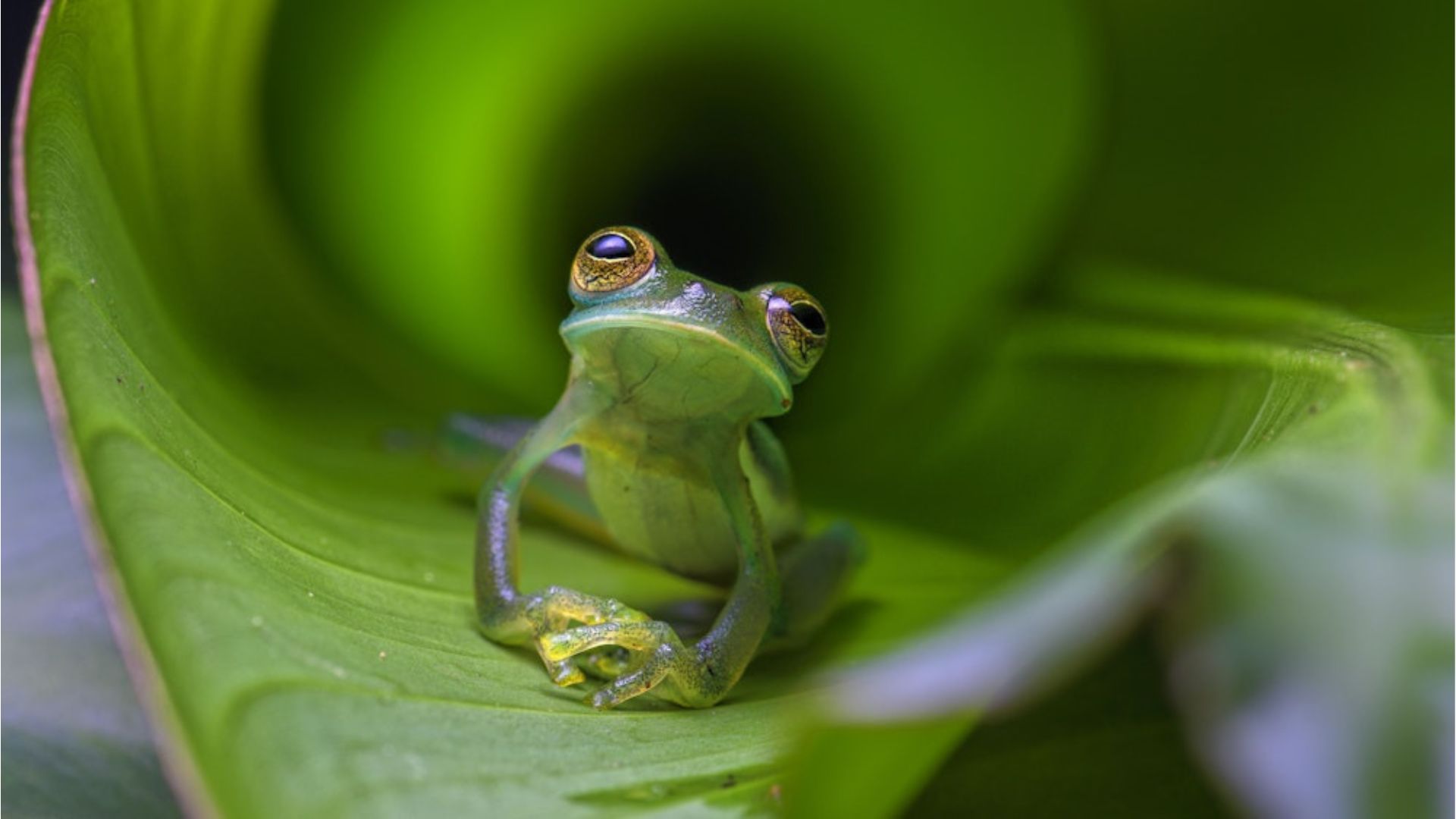
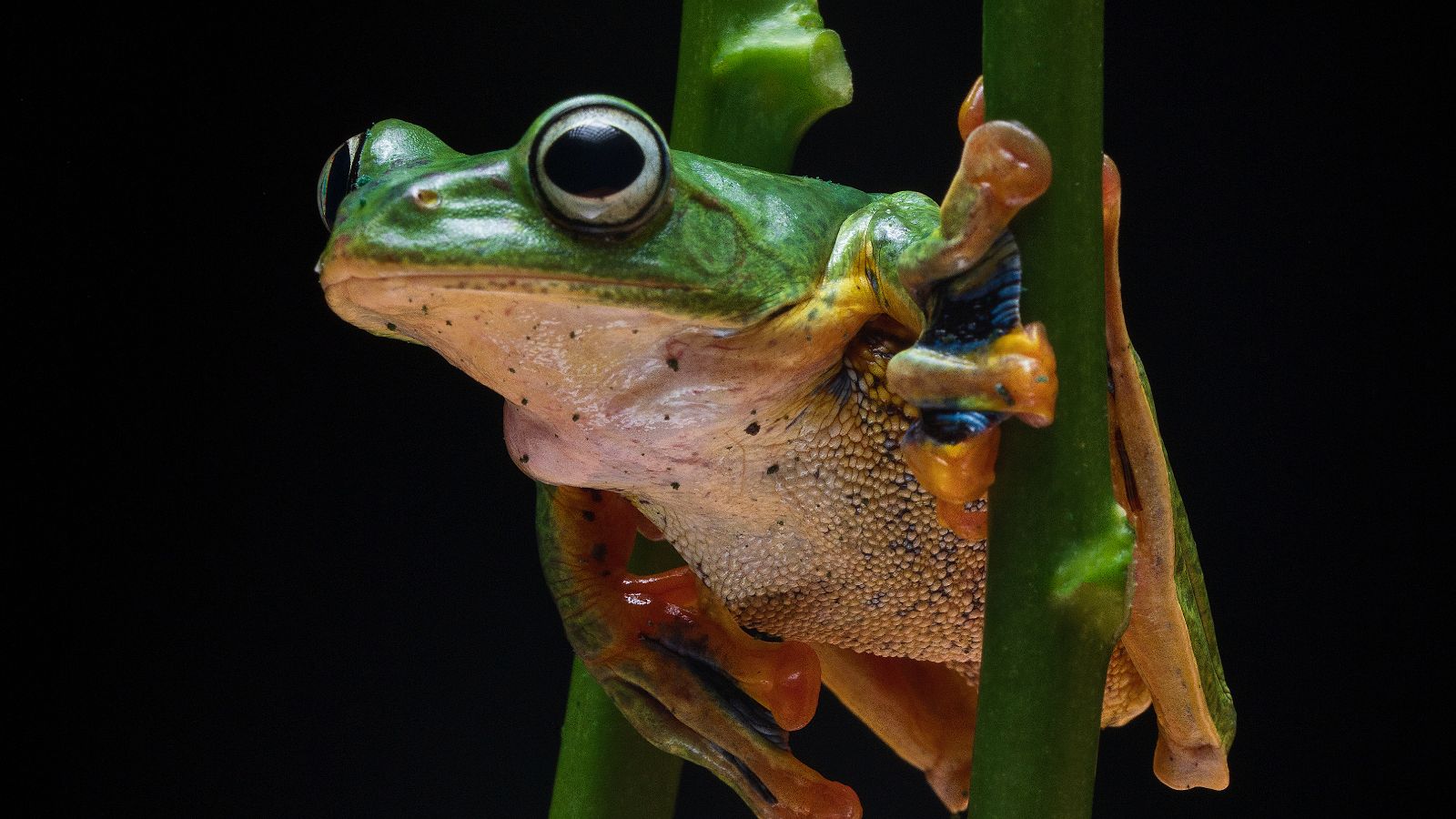
Tree frog

Take the Leap

We're looking for partners who want to be part of what comes next. If you're ready to help shape the future of amphibian conservation, we'd welcome the conversation.

Gina Della Togna, Ph.D.

Executive Director

gdellatogna@amphibians.org